
Animals can offer an extraordinary amount of emotional support. Beyond the pet-owner relationship that many of us have lovingly experienced, animals are sometimes used in therapeutic settings to help clients navigate challenging emotional experiences.
What Is Equine Therapy?
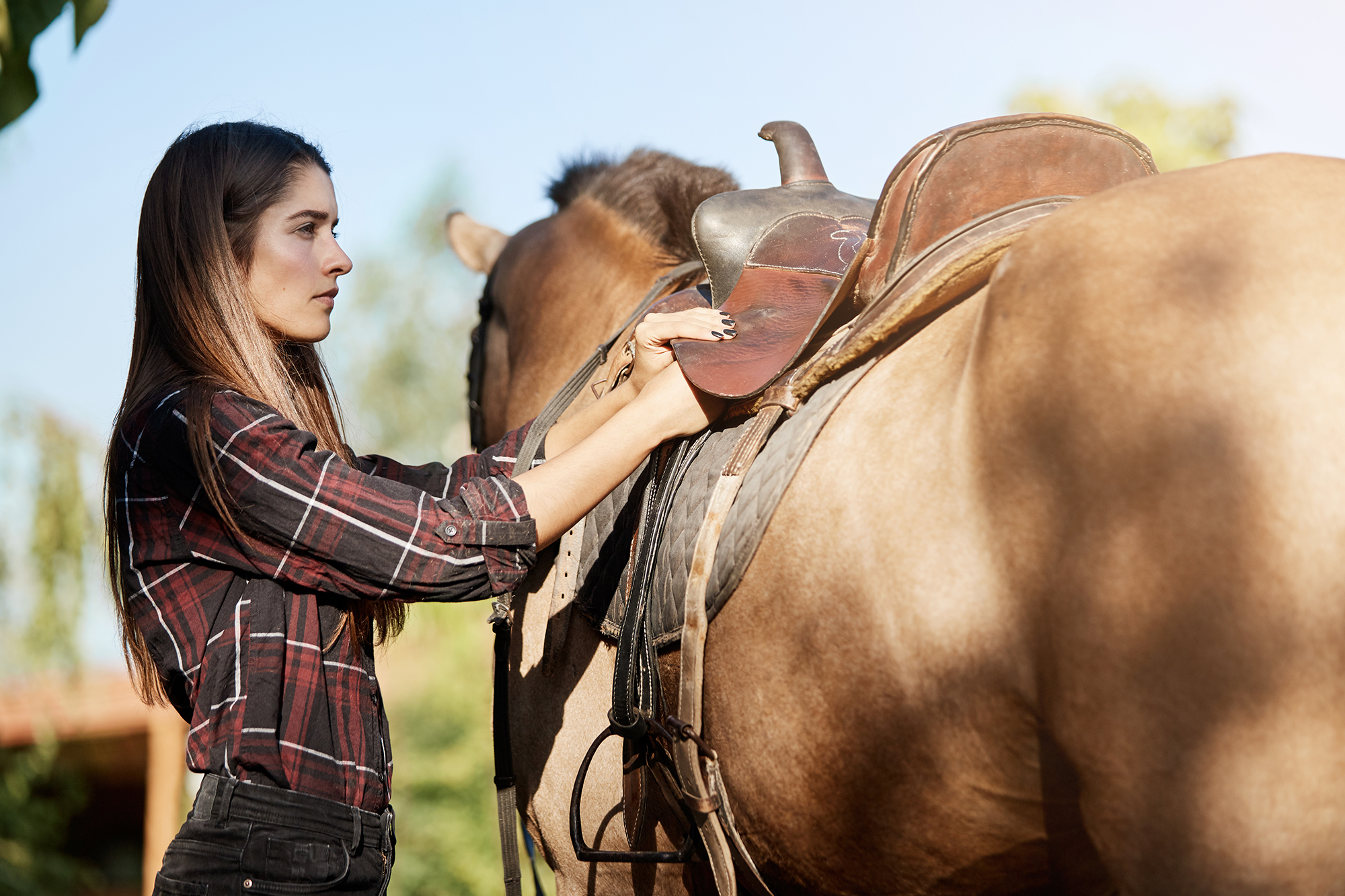
Equine-assisted psychotherapy incorporates horses into the therapeutic process. People engage in activities such as grooming, feeding, and leading a horse while being supervised by a mental health professional.
Goals of this form of therapy including helping people develop skills such as emotional regulation, self-confidence, and responsibility. With mature horses weighing anywhere in the range of 900 to 2,000 pounds or more, it might feel a bit intimidating to have such a large, majestic creature participating in your therapy sessions.
However, equine-assisted therapy is growing in popularity due to its experiential approach and some burgeoning evidence of its effectiveness. There are a variety of terms used to describe or reference equine-assisted psychotherapy, including:
- Equine-assisted mental health
- Equine-assisted counseling
- Equine-facilitated psychotherapy
- Equine-assisted therapy
The last term, equine-assisted therapy, can also often refer to other forms of therapy where horses are used, such as with occupational therapy.
History of Equine Therapy
Horses have been used for therapeutic purposes since the time of the ancient Greeks. The Greek physician Hippocrates, known as the "Father of Medicine," wrote about the therapeutic potential of horseback riding.
Riding became more popular as a therapy tool during the 1950s and 1960s. In 1969, the North American Riding for Handicapped Association was formed, which later became the Professional Association of Therapeutic Horsemanship (PATH) International.
Who It's For
Equine-assisted psychotherapy (EAP) can be used with a variety of populations and in a variety of therapeutic settings. In fact, horses can be used in counseling with individuals of all ages, even with families and groups.
Equine-assisted psychotherapy is often not the sole form of treatment, but rather a complementary therapeutic service to be used in partnership with more traditional treatment.
Offering a much different experience than traditional talk therapy, EAP brings people outdoors and offers an opportunity to use all senses while learning and processing through emotional challenges.
Children and Teens
Equine facilitated psychotherapy may be just as effective with children and teens as it is with adult clients. As with adults, children can experience challenges such as trauma, anxiety, depression, PTSD, and more.
Equine therapy offers them a therapeutic environment that can feel less threatening and more inviting than a traditional talk therapy office. The majority of children participating in EAP are between the ages of 6 to 18 years old.
Children often find it difficult to open up and process painful emotions and experiences. Equine-assisted psychotherapy allows youth, and people of all ages, to work on issues such as:1
- Assertiveness
- Confidence
- Developing and maintaining relationships
- Emotional awareness
- Empathy
- Impulse control
- Problem-solving skills
- Social skills
- Trust in others
- Trust in self
The 6 Best Online Therapy Services for Kids and Families, According to a Therapist
Benefits
Although a variety of animals can be used in the psychotherapeutic process, horses offer unique traits that have made them a top choice for animal-assisted therapies. According to anxiety expert Dr. Robin Zasio, horses bring the following unique elements to the therapy process.
Non-Judgmental and Unbiased
As much as humans, especially therapists, do our best to offer a safe space for clients to explore deep emotional hurts and painful experiences, it can be uncomfortable for clients to openly share their thoughts.
Building therapeutic rapport can take time as participants working toward building trust and practicing vulnerability in session.
Having the horse present may offer a sense of peace, as they only will react to the client's behavior and emotions with no threat of bias or any judgment of their emotional experience.
Feedback and Mirroring
Horses are keen observers and are vigilant and sensitive to movement and emotion. They often mirror a client's behavior or emotions, conveying understanding and connection that allows the client to feel safe.
This also allows for clients to maintain a sense of self-awareness, using the horse's behavior and interactions for feedback and opportunities to check in and process what is happening in the moment.
Managing Vulnerability
As clients might find themselves vulnerable when trying to open up about emotional challenges, past experiences, or life transitions, the horse can offer a reference point to use for processing.
If something feels too painful to speak of, it can feel a bit easier for clients to process using the horse as an example, or to align their experience with the horse's experiences in the moment. Externalizing the content in this way can make things easier to approach and process through.
Other Benefits
Some other potential benefits of equine therapy include increased:
- Adaptability
- Distress tolerance
- Emotional awareness
- Independence
- Impulse control
- Self-esteem
- Social awareness
- Social relationships
Horses also require work. They must be fed, watered, exercised, and groomed. Providing this type of care can often be therapeutic. It helps establish routines and structure, and the act of caring and nurturing something else can help build empathy.
Conditions
Equine therapy has some evidence supporting its effectiveness in helping to manage several conditions.
Anxiety
Anxiety disorders affect more than 17 million Americans. Although most people experience some level of anxiety at points in their lives, especially around experiences involving change and uncertainty, there are times when people experience anxiety that meets clinical diagnostic criteria. Anxiety-related conditions include, but aren't limited to:
- Agoraphobia
- Generalized anxiety disorder
- Panic disorder
- Separation anxiety
- Selective mutism
- Social anxiety disorder
- Specific phobia
Many people who struggle with anxiety find themselves stuck in worry about their past and fear about their future.2 As Dr. Zasio points out, working with a horse during the therapeutic process can create an opportunity for clients to "stay present and focused on the task at hand."
Since horses are vigilant and sensitive to behavior and emotions, they can sense danger and respond with a heightened awareness, which typically leads to a change in their behavior and possible attempts to get away. Clients who struggle with anxiety can relate to this ability to sense danger cues and respond in a heightened way.
Processing challenges through a horse's behavior can be easier for certain clients than speaking directly about their own personal experiences with anxiety.
Another benefit of using equine-assisted psychotherapy in the treatment of anxiety is helping clients practice vulnerability in a safe environment. As clients learn to interact with the horse and try new things, they are being asked to step out of their comfort zone with the help and support of the therapist and the horse.
Clients can then process their experience, such as the fears and challenges, as well as any insights, discoveries, or victories in those moments during therapy.
The Best Online Therapy for Anxiety, Tried and Tested
PTSD
Post-traumatic stress disorder (PTSD), a disordered marked by increased arousal and reactivity, intrusive memories and nightmares, and avoidance symptoms after a traumatic event, can feel debilitating. According to the Anxiety and Depression Association of America (AADA), it is estimated that 7.7 million people aged 18 or older struggle with PTSD.3
Children, teens, and adults can struggle with PTSD. Although people can experience a variety of traumatic events that could influence the development of PTSD, those who have experienced sexual assault, as well as veterans who have experienced combat, are populations who tend to have higher rates of the development of PTSD.
The use of equine-assisted psychotherapy in the treatment of PTSD for veterans is growing.4
Tess Hassett, a riding instructor at the Northern Virginia Therapeutic Riding Program, has a background in clinical psychology and is working with veterans using EAP.
Describing her work with veterans, Hassett noted, "A lot of them have said that after what they've been through with their PTSD and depression, they never thought they'd be able to bond with someone again and feel that personal connection. But with their horse, they're feeling that connection. They're able to take that into the rest of their lives and into their relationships."
The Best Online Trauma Therapy, According to a Therapist
Addiction Treatment
It is known that drug and alcohol addiction continues to rise and be problematic in the United States. The Center for Disease Control and Prevention (CDC) estimates that over 70,000 people died from a drug overdose in 2017.5
Many of those were a result of the opioid epidemic, with almost 50,000 deaths occurring as a result of opioid use. The need for effective therapies to help treat addiction is at an all-time high.
Equine-assisted psychotherapy offers a unique approach to treating addiction and co-occurring conditions. A co-occurring condition, which used to be referred to as a dual diagnosis, describes someone who struggles with addiction in addition to having another mental health condition—a common occurrence.
The ultimate goal of addiction treatment is to help clients live sober, healthy, and productive lives. Many times in addiction treatment, clients are also working hard to heal hurts within relationship dynamics, such as within a family or with their partner. Learning to trust, practice vulnerability, and communicate effectively can be a challenge during this treatment process.
EAP can help clients learn how to develop a sense of trust through their interactions with the horse as they gain a sense of safety and build a relationship. The experience can encourage clients to be vulnerable as they learn new things and interact with the horse.

0 Comments